How It Works
Care only works if people can reach it. This is how we make that possible.

In our first Pay It Forward clinic, Core members participate through a standard Direct Primary Care membership, just as they do in our original clinic. Those who choose to be Pillar members join for their own care and, in doing so, make room for an Arch member. Arch members contribute within their means, creating a structure built on reciprocity rather than charity.
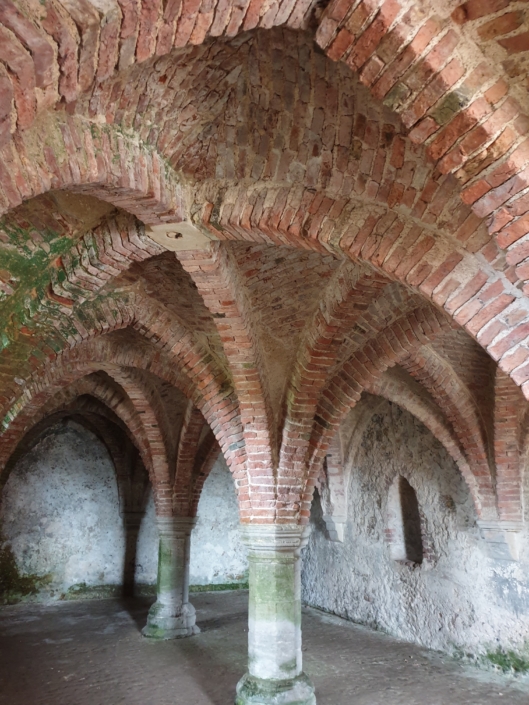
As in great architecture, each part serves a different role, yet all are essential. Together, they support the kind of community where neighbors care for one another—and good doctors want to stay.
Most of us know what it feels like to leave a medical visit with unanswered questions, little time, and nowhere to turn.
Now imagine that your physician knows and remembers you, listens carefully, takes you seriously, and helps you build a plan for better health.
As a Pillar member, you receive that care yourself—and help make room for someone else to receive it too.
In DPC, the doctor-patient relationship starts with an affordable patient membership.
The doctor then works for the patient, not third-party decision makers.
This means:
– The doctor has time.
– The patient is known.
– The care is thoughtful, accessible, and continuous.
But even affordable care remains out of reach for many families, and too few physicians have places where they can practice this way.
The Foundation exists to expand both.
More patients with access. More physicians with a reason to stay.
What if this became universal?
Good primary care changes lives—but only if people can reach it.
Across the country, patients are struggling to find physicians who have the time to listen, the freedom to think independently, and the ability to build lasting relationships. At the same time, many physicians are leaving primary care, worn down by systems that make it difficult to practice the kind of medicine they trained to provide.
The Foundation exists to solve two shortages simultaneously: a shortage of affordable access to care and a shortage of places where physicians can build sustainable careers in primary care.
Because patients need doctors. And doctors need a reason to remain.

We may be a nonprofit organization, but we are not a charity clinic.
We are not:
We are:
There is no single blueprint for community-powered primary care. Our first clinic uses a Pay-It-Forward structure, but other communities may choose different ways to support access.
What will not change are the principles that make Direct Primary Care work: patients and physicians in direct relationship, free from unnecessary third-party interference.
The forms may differ. The purpose remains the same.

UNORTHODOC FOUNDATION INCORPORATED
Community Powered Primary Care
Where patients help patients and doctors are doctors again.